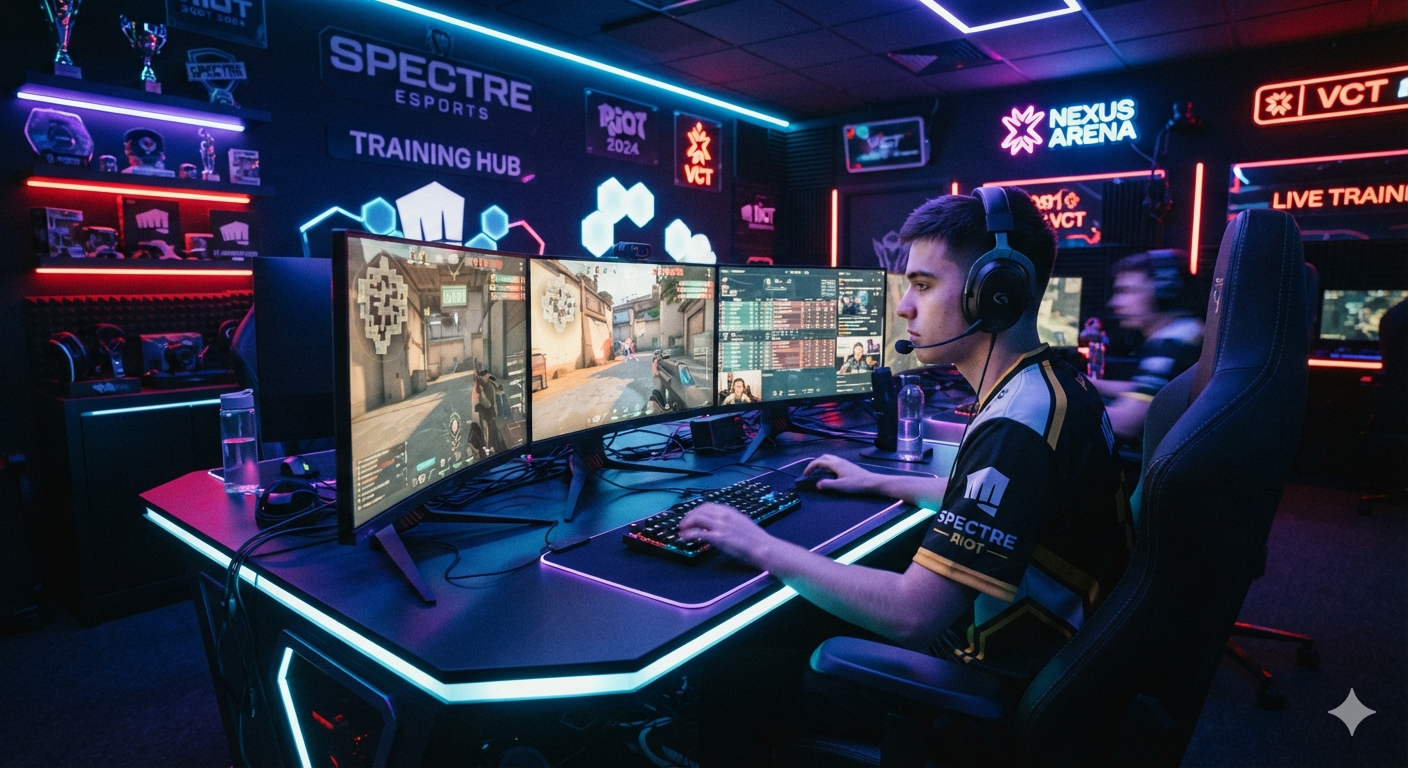
How to Become a Professional Gamer
Professional gaming has evolved from a niche hobby into a global industry worth billions of dollars. Esports tournaments fill massive arenas, online broadcasts attract millions of viewers, and the world’s best players compete for life-changing prize pools. Beyond tournaments, professional gamers can also build careers through streaming, content creation, sponsorships, coaching, and brand partnerships.
However, becoming a professional gamer is far more challenging than simply playing video games for long hours. It requires discipline, consistent practice, strategic thinking, teamwork, physical and mental wellness, and a willingness to learn from every victory and defeat.
Whether your dream is to compete in Counter-Strike 2, VALORANT, League of Legends, Dota 2, Fortnite, Mobile Legends: Bang Bang, PUBG Mobile, Rocket League, or another competitive title, the journey follows many of the same principles.
This comprehensive guide explains how to become a professional gamer, what skills you’ll need, how to join the competitive scene, and how to build a sustainable career in esports.
What Does a Professional Gamer Do?
A professional gamer is someone who competes at a high level in organized tournaments or leagues and often earns income from gaming-related activities.
Professional gamers typically:
- Practice for several hours each day.
- Compete in online and offline tournaments.
- Analyze gameplay and improve strategies.
- Work with teammates and coaches.
- Create content for fans.
- Stream gameplay.
- Participate in media interviews.
- Represent esports organizations and sponsors.
Success requires much more than mechanical skill—it demands professionalism and dedication.
Why Esports Is Growing So Quickly
The esports industry has experienced remarkable growth thanks to several factors:
- Global internet access
- Live streaming platforms
- International tournaments
- Large sponsorship deals
- Growing prize pools
- Professional esports organizations
- Mobile gaming expansion
Millions of fans now watch professional competitions, creating opportunities for talented players around the world.
Step 1: Choose One Competitive Game
One of the biggest mistakes aspiring professionals make is trying to master too many games at once.
Instead, choose one primary title and focus on it.
Popular esports games include:
FPS Games
- Counter-Strike 2
- VALORANT
- Apex Legends
- Rainbow Six Siege
MOBA Games
- League of Legends
- Dota 2
- Mobile Legends: Bang Bang
Battle Royale
- Fortnite
- PUBG
- PUBG Mobile
Sports
- EA SPORTS FC
- NBA 2K
Fighting Games
- Street Fighter 6
- Tekken 8
By specializing, you’ll develop deeper game knowledge and improve more efficiently.
Step 2: Learn the Game Thoroughly
Professional players understand far more than basic mechanics.
Study:
- Maps
- Weapon choices
- Character abilities
- Team compositions
- Rotations
- Economy systems
- Timing
- Objectives
- Patch updates
Watch guides, read patch notes, and stay informed about changes to the game’s meta.
Step 3: Practice With Purpose
Playing casually for hours is not the same as deliberate practice.
Create a structured routine that focuses on specific skills.
For example:
Mechanical Practice
- Aim training
- Movement drills
- Accuracy exercises
Game Knowledge
- Reviewing strategies
- Studying maps
- Learning optimal builds
Match Review
- Analyze mistakes
- Identify recurring weaknesses
- Set goals for improvement
Quality practice is more effective than simply increasing the number of hours played.
Step 4: Build Strong Fundamentals
Every competitive game has core skills that separate beginners from advanced players.
These often include:
- Positioning
- Map awareness
- Decision-making
- Resource management
- Communication
- Timing
- Adaptability
Strong fundamentals remain valuable even as game updates change strategies.
Step 5: Optimize Your Gaming Setup
While expensive equipment won’t make you a professional overnight, reliable hardware can improve comfort and consistency.
Consider investing in:
- A responsive gaming mouse
- A mechanical keyboard
- A high-refresh-rate monitor
- A quality headset
- A stable internet connection
- A comfortable gaming chair
A setup that minimizes distractions helps you perform at your best.
Step 6: Play Ranked Matches
Ranked modes provide a structured environment where you can test your skills against similarly skilled opponents.
Benefits include:
- Measuring progress
- Learning under pressure
- Developing consistency
- Building a competitive mindset
Aim to climb the ranked ladder steadily rather than obsessing over individual wins and losses.
Step 7: Watch Professional Players
Watching elite competitors can accelerate your improvement.
Pay attention to:
- Positioning
- Decision-making
- Communication
- Economy management
- Rotations
- Utility usage
- Team coordination
Rather than simply enjoying the matches, analyze why professionals make certain decisions.
Step 8: Record and Review Your Gameplay
Many players improve dramatically by reviewing their own matches.
Ask yourself:
- Why did I lose that fight?
- Was my positioning correct?
- Could I have communicated better?
- Did I make avoidable mistakes?
Self-analysis helps identify habits that are difficult to notice during live gameplay.
Step 9: Develop Teamwork Skills
Many esports titles rely heavily on teamwork.
Successful teammates communicate clearly, remain calm under pressure, and support each other during difficult matches.
Good communication includes:
- Sharing useful information
- Calling enemy positions
- Coordinating strategies
- Staying positive
- Avoiding blame
Teams often value reliable communication as much as mechanical skill.
Step 10: Participate in Amateur Tournaments
Once you’ve reached a competitive level, start entering community tournaments.
These events help you:
- Gain experience
- Build confidence
- Meet other players
- Learn tournament pressure
- Develop your reputation
Many successful professionals began by competing in small online events.
Step 11: Join a Team
Playing with a consistent team allows you to develop strategies, improve coordination, and compete in larger tournaments.
When looking for teammates, seek players who:
- Share your goals
- Communicate well
- Practice consistently
- Maintain a positive attitude
A committed team environment accelerates growth.
Step 12: Build Your Personal Brand
Modern professional gamers often maintain a public presence outside of tournaments.
Consider:
- Streaming gameplay
- Uploading highlight videos
- Sharing educational content
- Engaging with fans on social media
A strong personal brand can create additional career opportunities, even if tournament success fluctuates.
Step 13: Stay Physically Healthy
Professional gaming requires long hours of focus.
Healthy habits can improve performance.
Prioritize:
- Regular exercise
- Stretching
- Proper posture
- Balanced nutrition
- Hydration
- Adequate sleep
Physical wellness supports faster reactions and better concentration.
Step 14: Strengthen Your Mental Game
Competitive gaming can be emotionally demanding.
Players face:
- Pressure
- Losses
- Criticism
- Burnout
Develop resilience by:
- Accepting mistakes
- Setting realistic goals
- Managing frustration
- Taking breaks when needed
A calm mindset often leads to better decision-making during matches.
Step 15: Network Within the Community
Building relationships is an important part of any competitive career.
Connect with:
- Players
- Coaches
- Tournament organizers
- Content creators
- Team managers
Professionalism and good sportsmanship can leave lasting positive impressions.
Common Mistakes to Avoid
Many aspiring professionals struggle because they:
- Switch games too often.
- Ignore teamwork.
- Blame teammates for losses.
- Skip reviewing their gameplay.
- Neglect physical health.
- Focus only on winning instead of improving.
- Expect immediate success.
Avoiding these pitfalls can help you progress more steadily.
How Professional Gamers Earn Money
Tournament winnings are only one source of income.
Many professionals also earn through:
- Team salaries
- Sponsorships
- Streaming
- YouTube content
- Coaching
- Affiliate marketing
- Merchandise sales
- Brand partnerships
Diversifying income can provide greater financial stability.
Daily Practice Routine Example
Here’s an example of a balanced practice schedule:
| Time | Activity |
|---|---|
| 30 minutes | Warm-up and mechanical drills |
| 2 hours | Ranked matches |
| 30 minutes | Break and stretching |
| 1 hour | Team scrims or strategy sessions |
| 30 minutes | Gameplay review |
| 30 minutes | Watching professional matches |
Adjust the schedule to fit your goals and personal commitments.
Skills Every Professional Gamer Needs
Beyond game-specific mechanics, successful competitors develop:
- Discipline
- Patience
- Communication
- Adaptability
- Strategic thinking
- Emotional control
- Leadership
- Time management
These qualities help players perform consistently under pressure.
Setting Realistic Goals
Rather than focusing only on becoming famous, break your journey into achievable milestones.
Examples include:
- Reach a higher ranked division.
- Improve accuracy.
- Join a local team.
- Qualify for an amateur tournament.
- Build a consistent practice routine.
- Grow your online presence.
Celebrating incremental progress helps maintain motivation.
Frequently Asked Questions
Can anyone become a professional gamer?
Anyone can work toward becoming a professional gamer, but success depends on consistent practice, dedication, teamwork, and the ability to compete at a very high level.
How many hours do professional gamers practice?
Practice schedules vary, but many professional players spend several hours each day practicing mechanics, reviewing gameplay, participating in team scrimmages, and studying strategies.
Do I need expensive gaming equipment?
Not necessarily. Reliable hardware can improve comfort and consistency, but skill, discipline, and practice are far more important than owning the most expensive equipment.
Can I earn money before joining a professional team?
Yes. Many players generate income through streaming, creating videos, coaching, participating in smaller tournaments, or building an online audience before signing with an esports organization.
What is the most important skill for a professional gamer?
There is no single answer, but consistency is one of the most valuable traits. The ability to perform well under pressure, learn from mistakes, communicate effectively, and continually improve often separates successful professionals from casual competitors.
Final Thoughts
Becoming a professional gamer is an exciting goal, but it’s also a demanding journey that requires far more than a passion for playing video games. Success in esports comes from disciplined practice, continuous learning, effective teamwork, and a commitment to improving both your in-game skills and your overall well-being.
Choose a game you’re passionate about, master its mechanics, compete in ranked matches and amateur tournaments, review your gameplay honestly, and build positive relationships within the gaming community. Along the way, consider creating content, streaming, or coaching to expand your opportunities and establish a personal brand.
Most importantly, remember that every professional player started as a beginner. Progress takes time, and setbacks are a natural part of the learning process. By staying patient, maintaining a healthy routine, and focusing on consistent improvement rather than quick results, you’ll give yourself the best chance to turn your passion for gaming into a rewarding competitive career.